

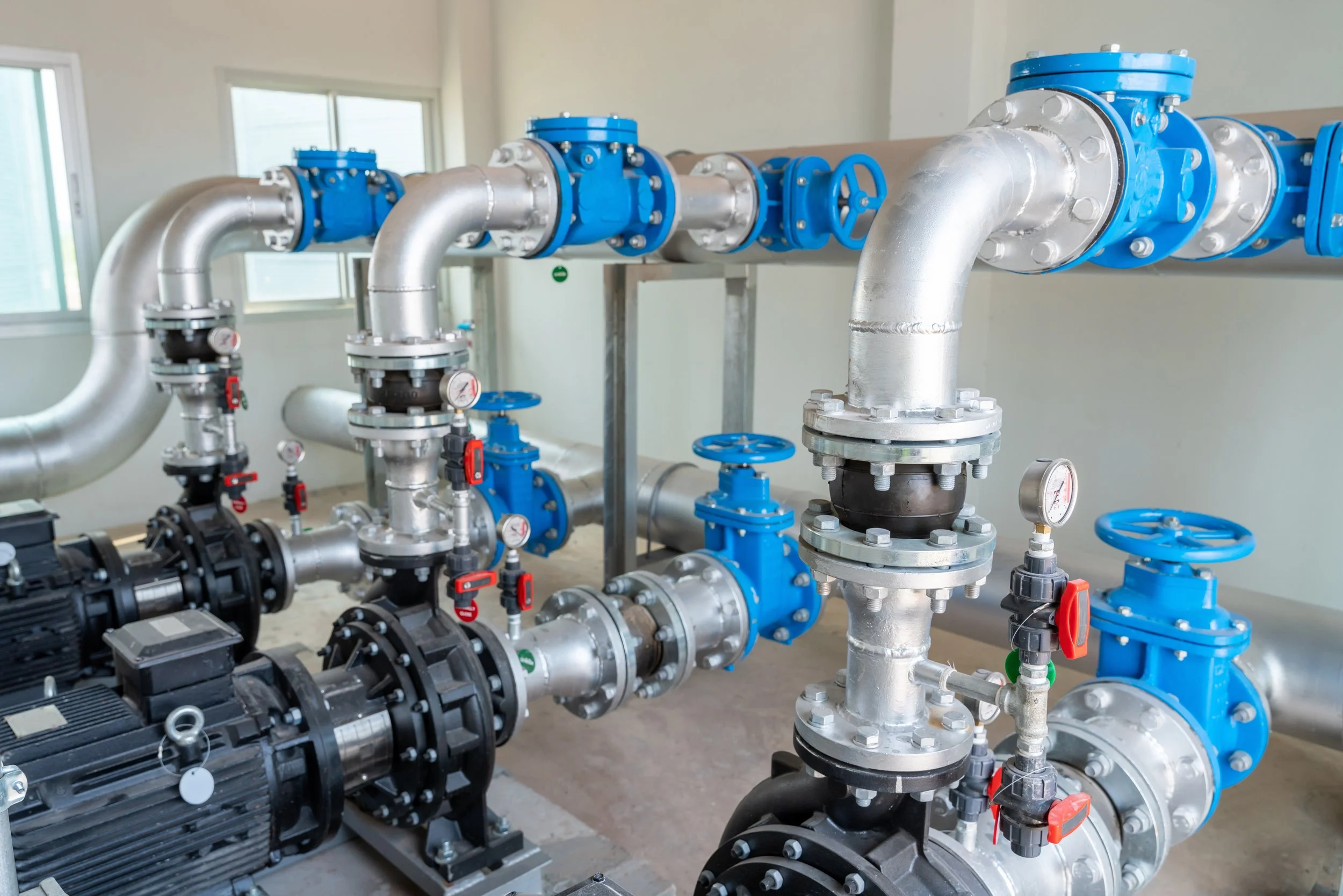
Coordination of piping design packages with client teams
Technical review of isometrics, GA drawings, and P&IDs
Oversight of prefabrication and on-site installation sequencing
Fabrication progress monitoring & material management
Interface management with other trades (HVAC, electrical, structural) to resolve clashes
Material take-off (MTO) verifications
QA/QC support, including weld map reviews, hydrotest planning, and inspection readiness
Contribution to commissioning preparation, flushing, pressure testing, and system validation
Daily reporting and tracking of installation milestones and resource productivity
Support for turnover documentation, redline updates, and handover compliance
Pipework Project Engineering Placements
Additional Pipework engineering and design management services
-
Development of 2D/3D pipework layouts based on system requirements and spatial constraints
Routing of pipe systems (chilled water, heating, process, domestic) to optimise space and maintain access
Coordination of pipework with structural, architectural, and MEP services to avoid clashes
Sizing of pipes based on flow rate, velocity, and pressure drop calculations
Selection of materials and specifications based on system type, medium, and operating conditions
Integration of supports, anchors, and expansion allowances for thermal movement
Layouts for plant rooms, risers, corridors, and distribution zones
Creation of isometric drawings and spool sheets for fabrication and installation
Compliance with project standards, building codes, and industry best practices
Review and incorporation of supplier and vendor data into the final design
-
Evaluation of thermal expansion, contraction, and movement across pipe networks
Analysis of stress concentrations at bends, anchors, and equipment connections
Load assessment due to internal pressure, weight, and dynamic forces
Calculation of allowable stress levels based on material properties and design codes
Design and placement of supports, guides, and expansion loops to manage pipe movement
Verification of flange alignments and equipment nozzle load compliance
Simulation of operating and standby scenarios to validate system resilience
Assessment of seismic, wind, and vibration impacts where applicable
Compliance with relevant standards (EN 13480, ASME B31.3, PED, etc.)
Generation of stress reports for design approval, fabrication, and installation teams
-
Pressure drop calculations across pipe networks to verify pump sizing and system balance
Flow resistance analysis for valves, fittings, bends, and equipment connections
Verification of pipe velocities to prevent erosion, noise, and flow instability
Calculation of total dynamic head (TDH) for system performance validation
Static load analysis to assess pipe support and anchoring requirements
Assessment of thermal expansion and associated stress on piping systems
Verification of material suitability for pressure, temperature, and medium type
Structural load calculations for pipe racks, hangers, and suspended systems
Compliance with project specifications, local regulations, and EN/ISO standards
Documentation of all calculations for engineering sign-off and client assurance
-
Development of fabrication-ready isometric drawings and spool sheets
Coordination of pipe routing for modular assembly
Logistical planning for transport, lifting, and site installation incorporated into the design
BIM-based clash detection and layout optimisation for prefabrication feasibility
Material take-offs (MTOs) and bill of materials
Integration of supports, anchors, and access considerations into off-site modules
Fabrication sequencing aligned with the construction programme
Interface coordination between prefabricated elements and site
Logistical planning for transport, lifting, and site installation
Reduction of site hours, waste, and installation time through controlled offsite execution
-
Detailed design of high-purity and process-critical pipework systems (e.g., WFI, clean steam, process gases)
Material specification and compatibility checks for media, pressure, and temperature requirements
Isometric development for fabrication, testing, and installation
GMP-compliant routing, segregation, and support planning
Hygienic design principles, including slope control, drainability, and orbital welding integration
Pressure testing, flushing, and passivation planning
Coordination of valves, instruments, and tie-ins with process equipment
Pre-construction review and verification of P&IDs and process schematics
Field engineering support during install, weld inspections, and redline updates
Support for turnover documentation (as-builts, weld logs, test packs) and validation readiness
-
Design and coordination of chilled water, condenser water, and process cooling systems
Support for hot/cold aisle containment strategies and thermal zone planning
BIM coordination and clash detection with electrical and IT infrastructure
Pump and valve sizing based on N+1 and 2N redundancy requirements
Selection of materials and insulation for thermal efficiency and fire performance
Modular
Commissionable reviews
Integration with BMS and control systems for flow, temperature, and pressure monitoring
Compliance with Tier standards (Uptime Institute) and ASHRAE thermal guideline